Litecoin Casinos in Australia: What Searches Confirm
 Available in AU
Search terms can signal interest in crypto payments, but they do not verify operator support or availability in Australia.

Table of Contents
- What online casino searches can tell you about Litecoin
- How to read claims about Litecoin casino sites
- What “best” means when no operators are verified
- Bonus and slot-related searches: what can be verified
- Games and Litecoin payment claims
- Playing with Litecoin: what the available information supports
- Australian legal context for offshore casino searches
- Deposits and withdrawals: questions the evidence cannot settle
- Live-dealer searches and Litecoin
- Slot-related Litecoin searches and the limits of available information
What online casino searches can tell you about Litecoin
When someone looks for an online casino connected with Litecoin, they are usually trying to connect two separate ideas: a form of cryptocurrency and a gambling service. The wording may vary, but the underlying question is often whether Litecoin is relevant to the service they have in mind. That wording tells you what the person wants to find out. It does not confirm that a particular casino accepts Litecoin, or that the service is available to someone in Australia.
Litecoin is a cryptocurrency. In a search about casinos, its name may point to an interest in using digital currency rather than a card or a bank-linked payment service. But a phrase joining “Litecoin” and “casino” is not evidence of a working payment option. It does not establish that an operator supports the currency, what the terms would be, or whether a payment could be made from Australia. Those are separate questions, and the search itself answers none of them.
The same goes for searches that put “online” before or after “casino” and “Litecoin”. People often rearrange those words while looking for the same general thing. A reader may be trying to find a casino where Litecoin is mentioned, a service that claims to support the currency, or information about how cryptocurrency and online gambling relate. The wording alone cannot tell us which of those meanings they have in mind.
That distinction matters because search language can make a service sound more settled than it is. A phrase such as “Litecoin casino in Australia” might reflect a hope to find an Australian-facing option; it does not show that such an option is lawful, accessible, or actually operating. Nor does adding “Australia” establish that the service is Australian, licensed locally, or protected by Australian consumer law. The location in a search is an expression of intent, not proof of status.
People also use different devices and service labels when they search. A mobile-focused phrase suggests that someone wants information suited to a phone. It does not demonstrate that a site has a usable mobile version or that Litecoin can be used there. Likewise, adding “live” can mean that the person is interested in a casino experience involving live dealers, but it cannot verify a particular table, platform, or payment route. Those extra words narrow the person’s interest; they do not verify the service.

In Australia, “pokies” is a familiar word for electronic gaming machines. When it appears alongside Litecoin and online casino language, it signals an interest in that style of gambling, not proof that any online pokies are available through a Litecoin payment option. The phrase can be understood without treating it as a recommendation or a promise of access. A label is still just a label.
I find it useful to separate three things that can get bundled together in a short search: the currency someone is asking about, the kind of gambling service they have in mind, and the place from which they hope to use it. A match between those words does not establish a match in real life. A service might mention cryptocurrency without supporting Litecoin; a payment method might be described without being available to an Australian customer; and a gambling category might appear in a headline without showing that the underlying service can be used here.
So, searches combining Litecoin with online casinos are best read as expressions of interest, not as a directory or a check of what works. They show that people want to connect a particular cryptocurrency with gambling, sometimes with a device, location, or style of play in mind. They do not, by themselves, settle availability, legality, payment support, or consumer protection. Search wording can point you toward the right question. It cannot answer it for you.
How to read claims about Litecoin casino sites
A page can say that a casino accepts Litecoin without showing what that means in practice. Treat the wording as a claim to examine, not as proof that a service is available to people in Australia. “Accepts,” “supports” and “crypto-friendly” may sound interchangeable, but they do not tell you the same thing. A payment method might be mentioned in general copy, appear only in a list of possible options, or be unavailable for a particular location or account. The words alone leave those distinctions unresolved.
- Look for precise statements about who the claim applies to
- Check if the service explains the scope of its statement
- Read surrounding language, including location and eligibility conditions
- Treat terms like “supports” or “crypto-friendly” as proof of availability
- Assume a headline is a complete description without reading qualifications
- Trust labels such as “best” or “top” as payment facts
Start by looking for a precise statement about who the claim applies to. Does it refer to Australian visitors, or to customers somewhere else? Is it describing a present feature, a general capability, or a possibility? Broad phrases such as “play with crypto” tell you little about the specific arrangement. Even a page that names Litecoin may not establish that Litecoin is currently accepted for the service it describes.
The same care applies to the word “online”. It can describe a casino’s general business, a page about digital currencies, or an actual payment option. Those are different claims. A heading that combines an online casino with Litecoin does not, by itself, establish a working connection between them. Look for the sentence that makes the claim and ask what it actually confirms.
I pay particular attention to whether a page explains the scope of its statement. A clear claim should make it possible to distinguish a payment method that is available from one that is merely discussed. If the wording shifts between “may accept,” “can use” and “is supported,” that uncertainty matters. It is not a technicality. A possibility is not confirmation.
There is also a difference between a site describing its own terms and another page describing that site. A promotional summary may simplify conditions or leave out qualifications. A statement presented as a feature should be traceable to current, specific information, rather than repeated across pages with no explanation of its basis. Repetition can make a claim familiar; it does not make it better established.


Be cautious with labels such as “best” or “top”. They express a judgement, not a payment fact. A page can use those labels while giving no meaningful basis for the comparison. In the same way, “best online pokies” or “best live casino” wording does not tell you whether Litecoin is accepted, or whether the claim relates to Australian customers. Those are separate questions, and combining them in a headline does not answer either one.
The neatest wording is not always the most informative. A site may use a confident headline, then qualify it in smaller text or in its terms. Read the surrounding language, including conditions about location and account eligibility. If the claim depends on qualifications that are not explained, you cannot safely treat the headline as a complete description. That is true whether the page calls itself a Litecoin casino guide or describes an online casino with Litecoin.
I would also separate a claim about a payment option from a claim about the whole service. A page may discuss Litecoin without showing that any casino accepts it; a payment reference may not establish that all parts of a service are available to Australians. Each statement needs to be read narrowly. Don’t let one broad phrase stand in for several facts.
Finally, remember what a page cannot establish simply by sounding certain. A polished description does not verify the operator, the payment arrangement, or the conditions attached to it. Nor does an attractive label turn an opinion into evidence. When the wording is vague, the sensible reading is the narrow one: the page has made a claim, but has not necessarily shown what that claim covers. Claims need context. Nothing more.
What “best” means when no operators are verified
Choosing a Litecoin casino in Australia calls for checking both payment details and the operator information available to you. Use these brief profiles as a starting point, and confirm Litecoin support directly before depositing.
Payout speed: crypto ~90 minutes, fiat 1-5 days · Min. deposit: A$30 You can use the stated A$30 minimum deposit as a guide when considering Kingmaker. Its listed payout timing is around 90 minutes for crypto and 1–5 days for fiat; the details provided do not confirm Litecoin specifically.
License: Curacao Gaming Control Board OGL/2023/176/0095 (Hollycorn N.V.) Neospin’s listed licensing detail is Curaçao Gaming Control Board OGL/2023/176/0095, under Hollycorn N.V. The information provided does not specify Litecoin support or payment terms, so check those directly.
License: Curacao eGaming (Hollycorn N.V., since 2017) · Min. deposit: A$20-30 (depends on the offer) Playfina Casino is listed as operating under Curaçao eGaming with Hollycorn N.V. since 2017. Its minimum deposit is A$20–30 depending on the offer; Litecoin support is not specified in the available details.
License: Curacao · Min. deposit: A$20 (POLi) Lucky Dreams is listed with a Curaçao license and an A$20 minimum deposit via POLi. The details do not say whether Litecoin is accepted, so verify the available payment methods before you sign up.
License: Curacao Gaming Control Board OGL/2023/174/0082 (Dama N.V.) SpinsUp’s listed licensing detail is Curaçao Gaming Control Board OGL/2023/174/0082, under Dama N.V. The available information does not specify its deposit options or Litecoin support.
License: Curacao eGaming (Roby Games Ltd) Roby Casino is listed as operating under Curaçao eGaming with Roby Games Ltd. No deposit, payout, or Litecoin payment details are provided here, so confirm those directly.
License: Curacao eGaming OGL/2024/923/0383 (Antillephone N.V.) · Min. deposit: A$30 WinSpirit Casino is listed with Curaçao eGaming OGL/2024/923/0383, under Antillephone N.V., and an A$30 minimum deposit. The provided details do not confirm Litecoin acceptance.
Payout speed: crypto 30-120 minutes, fiat 24-72 hours · Min. deposit: A$30 MrPacho lists crypto payouts in 30–120 minutes and fiat payouts in 24–72 hours, with a minimum deposit of A$30. The information provided does not establish that Litecoin is among its supported crypto options.
License: Curacao Golden Pokies is listed with a Curaçao license. The available details do not specify its deposit, payout, or Litecoin payment options, so check those before deciding.
License: Curacao (operating since 2017) · Min. deposit: A$20 Uptown Pokies is listed with a Curaçao license, has operated since 2017, and has an A$20 minimum deposit. Litecoin support is not specified in the details provided.
“Best” sounds like a verdict, but it only means something when the options have been checked against the same standards. For a person looking for a Litecoin casino in Australia, that would mean more than seeing a payment logo or a confident headline. It would require current, comparable information about the service being offered and the terms attached to it. Without that basis, naming a winner would be guesswork dressed up as guidance.
I would be wary of any ranking that treats a list of names as proof. A site may describe itself as a leading Litecoin casino, but that wording does not establish that it currently accepts Litecoin from Australian users, or that the rest of its service matches the description. Nor does a page become a useful comparison simply by placing several claims side by side. The question is whether each claim has been checked on equal terms and whether the details still apply.
A ranking can be misleading if entries are based on different sources, such as old information, advertised features, or unconfirmed descriptions.
That matters when you are weighing a claimed “best Litecoin casino” against a supposed alternative. A ranking can hide important differences: one entry may be based on old information, another on an advertised feature, and a third on a description that has not been independently confirmed. If the underlying details are uncertain, the order of the list adds no reliable information. A numbered badge is not evidence.
“Best” depends on the comparison
People can mean different things by “best”. They may be thinking about whether Litecoin is mentioned at all, whether a deposit is said to be possible, or whether the overall service appears suitable. Those are separate questions. A broad label cannot answer them all, and a recommendation should not imply that they have been settled when they have not.
The same caution applies to searches for the latest Litecoin casino or a list of sites. “Latest” can refer to a newly published page rather than a newly available service. A list can be current in appearance while repeating claims that have not been checked. Before treating either as a shortlist, you would need to know what was actually assessed, when it was assessed, and whether the information covers Australian users. Without that, freshness and completeness are just impressions.
I would also separate a payment claim from an overall recommendation. Even if a page says that Litecoin is supported, that alone cannot establish that a service is dependable, that its terms are suitable, or that every part of its offer is available to you. One feature is not a full assessment. That sounds obvious, but rankings often blur the distinction.
Bonuses do not settle the ranking
A “best” bonus is not self-explanatory either. A headline offer may look attractive while leaving the conditions unclear, and the label does not tell you whether the offer is available in the circumstances you have in mind. A claim about Litecoin and a bonus is not proof that the payment method and promotion work together. Nor does the word “best” show how offers were compared.
Attention A bonus-led ranking is not a recommendation unless it clearly explains what was checked and how the comparison was made.
I would not treat a bonus-led ranking as a recommendation unless it makes clear what was checked and how the comparison was made. If the details are absent, it is not possible to weigh one offer against another in a meaningful way. Big language does not fill the gap. Best for whom, and on what basis? If those points are unanswered, the ranking cannot do the job its heading promises.
Terms such as “best games”, “best pokies” or “best slots” can create the same impression of a settled choice. They do not establish which games are actually available alongside Litecoin, or verify any particular option. A category label is not a checked list, and this page does not recommend games.
So, if you are trying to decide what “best” means, start with the limits of the comparison, not its headline. A useful recommendation needs evidence about the specific service and the specific claim being made. Where that evidence has not been established, the honest answer is that no operator can be ranked here as the best. No winner by guesswork.
Bonus and slot-related searches: what can be verified
When Litecoin appears beside bonus language, the words point to two separate things a person may be trying to establish: whether a site claims to accept the cryptocurrency, and whether it advertises a promotion connected with deposits or play. Neither part confirms the other. A welcome offer, a no-deposit offer and a promotion described as free are different claims, but seeing those labels together with Litecoin does not establish that any offer exists or that Litecoin is an accepted payment method.

The same caution applies to wording about online slots, video slots or “free” play. Those phrases describe what someone may be looking for; they do not verify a particular game, a game catalogue or access through Litecoin. Nor does a phrase such as “best” provide a meaningful comparison by itself. Without reliable, current details about the operator, the offer’s conditions and the payment arrangements, there is no sound basis for naming a leading site or listing offers.
That distinction matters because bonuses are not just decorative text. An advertised promotion can have eligibility rules, payment-method restrictions, expiry conditions and other terms that affect whether it can be used. A label alone tells you none of that. Even if an offer is described as a welcome bonus or as requiring no deposit, you cannot infer from the description whether it is available to an Australian customer, whether Litecoin qualifies, or what conditions apply. The sensible reading is narrow: it is a promotional claim to investigate, not a promise of value.
There is a further issue for readers in Australia. Real-money online casino games, including slots, are prohibited services when offered to people physically in Australia under the Interactive Gambling Act 2001. Australian consumer law does not protect players who use offshore casinos. That is important context, not a recommendation to seek out an overseas offer. A promotional label does not change the legal position or provide consumer protection.
Legal Warning
Real-money online casino games are prohibited for people physically in Australia under the Interactive Gambling Act 2001, and local consumer law does not protect users of offshore casinos.
I would keep the questions separate rather than letting a bonus headline answer them all. Is there a clearly stated promotion? Does its wording actually mention Litecoin, or merely appear near cryptocurrency-related text? Are the terms specific about who may take part and what the offer entails? Those are checks on the claim, not evidence that the underlying service is lawful or available to Australian residents. If details are absent or ambiguous, the uncertainty remains; a more confident headline cannot fill it in.
“Free” deserves particular care. In ordinary marketing, it can suggest that no payment is needed, but it does not by itself define the conditions attached to an offer. It also does not prove that a game can be played without depositing, that winnings can be withdrawn, or that a particular payment method is supported. Treat the word as part of the promotion’s wording, not as a complete description of what a person would receive.
So searches that combine Litecoin, bonuses and slot-related terms reveal an interest in promotions alongside games, but they cannot verify an offer, a game selection or a payment route. There is no responsible basis here for a recommended list of “best” sites or free options. Promotional language is not evidence.
Games and Litecoin payment claims
When a page or headline puts Litecoin beside casino games, the wording can blur two separate ideas: the games on offer and the way a site might handle payments. Seeing the terms together does not establish that a particular game is available, that Litecoin can be used to fund play, or that both claims apply to the same service.


A phrase such as “play with Litecoin” may be intended to describe a payment method, not a feature built into a game. Conversely, a game described as being “for Litecoin” could be using the currency as a theme or label rather than accepting it as payment. The wording alone does not settle which meaning is intended. I’d keep those questions apart rather than assume one answers the other.
The same caution applies when a page groups familiar casino games under a Litecoin heading. A category name is not an inventory. It does not tell you which titles are actually accessible, whether the page is current, or what payment methods would apply to them. A broad label can make a collection look more specific than it is. That is marketing shorthand, not a receipt.
For Australian readers, there is also a necessary distinction between describing a search phrase and endorsing a service. Real-money online casino games are prohibited from being provided to people in Australia under the Interactive Gambling Act 2001. So a page that pairs games with a cryptocurrency should not be read as a recommendation or an invitation to play. The appearance of a payment term does not change the legal status of the underlying service.
A bonus mentioned alongside games and Litecoin adds yet another separate claim. It does not establish that the games are available, that Litecoin is an accepted payment option, or that the bonus can be used with either. Those details would need to be clear on their own, and they cannot be inferred from a shared heading.
If you are trying to understand what a phrase means, start by separating its parts: is Litecoin being described as a payment method, as a theme, or merely as a keyword attached to a game category? Then treat each assertion independently. A claim about games does not verify payments; a payment claim does not verify games. Neither confirms that a service may lawfully provide real-money casino play to people in Australia.
Payment vs Games
A claim about games does not verify payments, and a payment claim does not verify games.
That distinction matters more than the wording suggests. Two labels beside each other are still two claims.
Playing with Litecoin: what the available information supports
Wanting to play at a casino using Litecoin combines two separate questions: whether a service offers casino gambling to people in Australia, and whether it accepts that cryptocurrency. A search phrase joining the two does not settle either point. It is not proof that a particular site is available here, that Litecoin can be used there, or that a player can complete a game after making a payment.
That distinction matters because Australian law prohibits operators from providing real-money online casino games to people in Australia. The restriction covers casino-style games such as poker, blackjack, roulette and pokies. A payment option, even if described as a cryptocurrency, does not change the legal status of the gambling service. Offshore casino services are actively blocked and enforced against, and Australian consumer law does not protect players who use offshore casinos. A name or payment claim found online is no safeguard.
The phrase “play with Litecoin” can also make the activity sound like one simple step: use the coin and start playing. In practice, a payment method alone says nothing about account access, game availability, identity checks or the rules attached to a transaction. Online casinos commonly require customers to pass identity checks before they can carry out financial transactions. Searching for a service described as requiring no identity checks does not establish that such a service exists or that it would be lawful or safe to use.

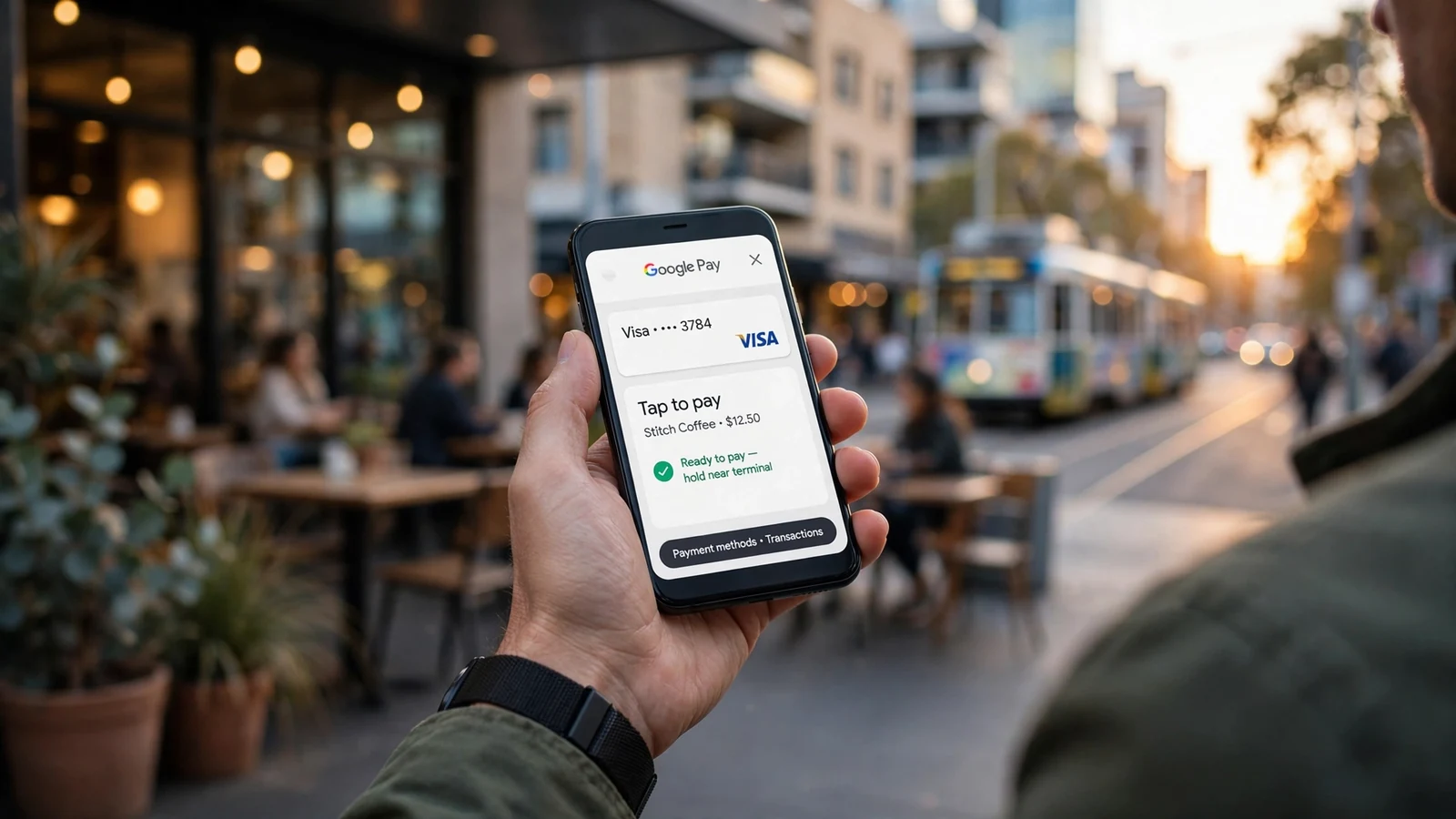
I would treat “playing with Litecoin” as a description of what someone hopes to do, not evidence that the whole process is available. A claim about a coin does not verify that an operator accepts Australian customers; a claim about access does not prove that the payment method works; and neither makes a prohibited service lawful. Those are separate pieces, not one promise.
So if you are trying to work out whether you can play casino games using Litecoin from Australia, the responsible answer is limited: the wording alone cannot establish a lawful, accessible service or confirm that Litecoin is accepted. Do not read a mention of Litecoin as an invitation or a practical guide. The legal position is the important part here, not the currency label. No shortcut around it.
Australian legal context for offshore casino searches
A Litecoin payment method does not change the legal position of an online casino serving people in Australia. Under the Interactive Gambling Act 2001, operators cannot provide real-money online casino games to people physically located here. That prohibition covers casino-style services; accepting cryptocurrency rather than Australian dollars does not create an exception.
The Act is directed at providers, not framed as a specific offence for an individual who uses an offshore site. That distinction matters, but it should not be mistaken for an endorsement or a sign that an offshore service is lawful to offer in Australia. The Australian Communications and Media Authority (ACMA) oversees enforcement of the Act, and offshore casino services are subject to access blocking and enforcement measures.
The Australian Communications and Media Authority (ACMA) oversees the enforcement of the Interactive Gambling Act 2001, including access blocking of offshore casino services.
Searches for an online casino that takes Litecoin can make the practical question seem like a payment choice: whether a site accepts a particular coin, or whether it has a mobile app. In Australia, the legal issue comes first. A payment option or app does not make the underlying real-money casino service permissible for Australian customers. Nor does a foreign licence override the Australian rules.
There is another point people can miss: Australian consumer law does not protect players using offshore casinos. If a dispute arises over an account or a payment, you should not assume the protections available in an Australian consumer transaction will apply. Crypto may add its own complications, but the basic concern is the offshore setting and the lack of local consumer-law protection.
I would keep those points separate from claims about an individual service’s payment features. A site may describe itself as available to Australians or advertise Litecoin support; neither statement settles whether it may legally provide online casino games here. And an inability to access a site should not be read as evidence that the law has changed. Access restrictions and legal rules are not payment troubleshooting.
So, when you see an Australian-facing claim about a Litecoin casino, read it against the wider legal framework rather than treating the coin as a workaround. The law focuses on the service being offered to people in Australia, not on whether the cashier handles Litecoin. That is the part worth keeping in view.


Deposits and withdrawals: questions the evidence cannot settle
A claim that a casino accepts Litecoin deposits is not enough to establish that a payment route is available to Australian users. Payment options can depend on the operator’s current arrangements, and a label on a page does not tell you whether Litecoin is enabled in the cashier or what conditions apply. I would treat “Litecoin deposit” as a point to verify, not as confirmation that you can send funds.
The same caution applies to withdrawal language. “Instant” and “fast” are vague unless the terms explain what is being timed: the operator’s review, release of a payment, or its arrival in a wallet. Those stages are not interchangeable. A phrase promising an instant Litecoin withdrawal does not, by itself, establish a processing time, fee, limit or even that Litecoin withdrawals are available. Check the actual terms rather than relying on a headline.
Before any financial transaction, online casinos generally require identity checks. That can mean a payment claim alone tells you little about whether an account could complete the required checks or access a withdrawal. Read the payment and identity requirements together; the cashier’s options and the withdrawal rules may not be identical.
A “no-deposit” label or bonus code is also not proof of a usable offer. It does not establish eligibility, conditions, or whether a promotion is available to Australians. I would not treat a code found elsewhere as confirmation of an offer.
Australia’s Interactive Gambling Act prohibits operators from providing real-money online casino services to people in Australia. ACMA enforces the Act, and Australian consumer law does not protect players who use offshore casinos. That matters when weighing any payment promise: a search result is not a safeguard if a transaction or withdrawal becomes disputed.
Verify Payment Claims
- Confirm the payment route is available to Australian users in current terms
- Check the specific processing times, fees, and limits for withdrawals
- Review the identity check requirements for financial transactions
- Verify eligibility and conditions for any no-deposit codes
So, whether you are looking for an instant withdrawal, a Litecoin cashier option, or a no-deposit code, the wording alone cannot settle the practical question. Don’t send funds on the strength of a claim you cannot confirm in the operator’s current terms.
Live-dealer searches and Litecoin
When you look for a live-dealer casino that mentions Litecoin, you are trying to connect two separate things: a live-hosted table-game format and a cryptocurrency payment option. That combination may sound specific, but the wording alone does not show that a particular table, payment method or service is available to Australians.
“Live dealer” generally points to games presented by a human dealer through a video stream, rather than a fully digital game. Adding Litecoin to the description suggests you want both features in one place. It does not establish how a service handles deposits or withdrawals, whether the live games are accessible from Australia, or whether any stated payment option applies to them.
I would treat those as separate claims to verify, not as a package that comes automatically with the label. A site might describe its games and payment methods in broad terms; that wording is not, by itself, proof that the combination works for a person in Australia. Nor does a page mentioning crypto tell you whether Litecoin is supported specifically. The detail matters.
There is also a legal boundary behind this kind of search. Under the Interactive Gambling Act 2001, it is illegal for operators to provide real-money online casino games, including table games, to people physically located in Australia. The Australian Communications and Media Authority enforces the Act. Australian consumer law does not protect players who use offshore casinos, so a payment label or live-stream description should not be mistaken for local protection.


That is the distinction worth keeping in mind: interest in live-dealer play with Litecoin is not evidence that a lawful, available service exists for Australian residents. I would not infer a particular table, platform or operator from the wording alone. A neat combination of features on a page is still just a claim until its meaning and applicability are clear.
Slot-related Litecoin searches and the limits of available information
When you see Litecoin mentioned alongside casino sites or slot-style games, treat the wording as a topic label, not proof that a particular service or game is available. It does not establish that a site accepts Litecoin, that any games can be played with it, or that the payment option applies to every part of a service.
The same caution applies to claims about a “trusted” or “licensed” Litecoin casino. Those words need context: a licence from elsewhere does not make real-money online casino games lawful to provide to people in Australia. Under the Interactive Gambling Act 2001, operators cannot provide those services to people located here. The Australian Communications and Media Authority enforces the Act.

I would also keep the payment question separate from the game question. A reference to Litecoin does not tell you whether a cashier supports it; a reference to slot-style games does not confirm that those games are offered. Neither phrase settles the other. Search wording is not a substitute for clear, current terms, and it cannot verify an operator’s legal status or consumer protections.
That distinction matters if you are weighing whether to use an offshore service. Australian consumer law does not protect players using offshore casinos. The law does not make the player criminally liable simply for using an offshore site, but that is not the same as having local consumer safeguards.
So read references to Litecoin and slot-style games as separate claims requiring separate scrutiny. Avoid treating a label as confirmation, and do not assume that a foreign licence makes the service suitable for Australian residents. The wording may sound specific. The evidence it conveys may not be.
What are the deposit and withdrawal limits at the best Amex casinos?
Limits are set by each casino and can vary. Check the casino’s cashier or payment terms for the limits that apply to your account.
How do you check if casino sites accept Amex deposits?
Check the casino’s cashier for American Express as a deposit option; if it is listed, you can select it and enter your card details and deposit amount in AUD. Some Australian casinos accept Amex, but not all do.
Why does my Amex deposit get declined at some casinos but not others?
Amex may block payments to a particular website, or your Australian bank may block gambling transactions on your card. Acceptance also varies between casinos.
What are the fees involved with American Express payments?
Amex deposits typically have no fee, but a casino may add a 1.5% surcharge, and a 3% currency conversion fee may apply. Withdrawal fees may also apply, depending on the casino.
Can I withdraw winnings directly to my American Express card?
Some casinos allow Amex withdrawals, but others do not; you generally need to have deposited with Amex first. Withdrawals can take up to five days to clear, and fees may apply.
Published by the Wildfortunecaasino.net team.