Real-Money Casino Table Games in Australia
 Available in AU
Explore how live dealers and software-run games work, and how table rules shape cards, roulette outcomes and player chances.

Table of Contents
- What “Real-Money Table Games” Means Online
- Bitcoin Tables and the Difference Between Live and RNG Play
- What the Rules Tell You About Your Chances
- Getting to Grips with a Hand or a Roll
- Searching for Table Games Near You in Australia
- The Australian Rules Behind Online Casino Tables
- A Tour of the Table-Game Formats
- Card Tables: Banker, Player and the Dealer
- Roulette: The Wheel and Its Number Layouts
- Poker at the Table: Building the Best Hand
What “Real-Money Table Games” Means Online
An online table game is a digital version of play at a casino table. The key difference is how the game is run: a live dealer may host a streamed session using real equipment, or software may handle play and determine its outcomes. “Real money” describes the stakes involved, not a separate kind of table or a special set of rules. The screen can look similar in either format; what happens behind it is different.
In a live dealer game, a real dealer operates casino equipment while video of the session is streamed to players. You watch the action as it unfolds and interact through the online interface. The dealer and equipment are physical; your view of them arrives by video. That gives the format a visible human host, rather than relying only on a digital animation to present the game.
The other format is software-run play. An online table game can use a Random Number Generator, or RNG, to determine an outcome. For a card game, the RNG determines which cards are dealt; for roulette, it determines where the ball lands. The result is produced by software rather than by a live dealer operating the equipment in a streamed session.
When choosing a real-money table-games casino in Australia for 2026, you need to weigh the available practical details against what matters to you. Use these brief notes as a starting point and check any details you need before deciding.
Payout speed: crypto ~90 minutes, fiat 1-5 days · Min. deposit: A$30 Kingmaker lists a minimum deposit of A$30. Its stated payout times are around 90 minutes for crypto and 1–5 days for fiat.
License: Curacao Gaming Control Board OGL/2023/176/0095 (Hollycorn N.V.) Neospin lists a Curaçao Gaming Control Board license, OGL/2023/176/0095, held by Hollycorn N.V. You can use that licensing detail as one point to consider.
License: Curacao eGaming (Hollycorn N.V., since 2017) · Min. deposit: A$20-30 (depends on the offer) Playfina Casino lists a Curaçao eGaming license under Hollycorn N.V., which it has held since 2017. Its minimum deposit is A$20–30, depending on the offer.
License: Curacao · Min. deposit: A$20 (POLi) Lucky Dreams lists a Curaçao license and a A$20 minimum deposit via POLi. Those are the available details to consider when assessing whether it suits you.
License: Curacao Gaming Control Board OGL/2023/174/0082 (Dama N.V.) SpinsUp lists a Curaçao Gaming Control Board license, OGL/2023/174/0082, held by Dama N.V. You can take this licensing information into account when considering the operator.
License: Curacao eGaming (Roby Games Ltd) Roby Casino lists a Curaçao eGaming license under Roby Games Ltd. No other specific details are provided here, so consider it based on the information available to you.
License: Curacao eGaming OGL/2024/923/0383 (Antillephone N.V.) · Min. deposit: A$30 WinSpirit Casino lists a Curaçao eGaming license, OGL/2024/923/0383, under Antillephone N.V., and a minimum deposit of A$30. You can weigh both details when considering it.
Payout speed: crypto 30-120 minutes, fiat 24-72 hours · Min. deposit: A$30 MrPacho lists a A$30 minimum deposit. Its stated payout times are 30–120 minutes for crypto and 24–72 hours for fiat.
License: Curacao Golden Pokies lists a Curaçao license. No other specific details are provided here, so you may want to seek further information before deciding.
License: Curacao (operating since 2017) · Min. deposit: A$20 Uptown Pokies lists a Curaçao license and has been operating since 2017. Its stated minimum deposit is A$20.
That distinction is useful when you are deciding what “online” means in practice. A live stream shows a real dealer and real equipment; an RNG game presents play generated by software. Neither label, by itself, tells you what stakes are available, what rules apply, or whether a particular service is lawful to offer in Australia. Those are separate questions.
Searches for online casino table games for real money can make the format sound like one uniform product. It is not. A table-game interface might put you in front of a streamed dealer, or it might show a software-run version. If you are looking for a live casino experience, check that the dealer is actually streamed. If you prefer a software interface, look for a clear description of how outcomes are generated. The display alone is not the whole story.
People also look for free table games online, but “free” and “real money” describe different ways of playing, not different methods of running the game. A game can be presented through a live dealer or software; the presence of a dealer does not, on its own, establish that real-money play is involved. Nor does a free-play label tell you how the result is produced. Read the description of the format and stakes rather than assuming one from the other.

Promotions are separate again. A bonus offer does not define a table game, and its terms can affect how funds are used. Some specialist reviews report that table games may contribute less towards wagering conditions than other game categories, while some titles may not count at all. Those terms are specific to an offer, not a dependable rule for every site. Before relying on a promotion, check its conditions, including whether the games you intend to play are eligible and whether any restrictions apply. The small print does the talking.
There is also an important Australian context. Section 5 of the Interactive Gambling Act prohibits operators based within Australia from offering residents real-money interactive casino games. The Australian Communications and Media Authority enforces the law and blocks unlicensed domestic platforms. So a description of how a table game works is not an endorsement or an invitation to play: the format explanation does not change the restrictions on providing these services in Australia.
It helps to separate three ideas: the game’s format, the way its outcome is generated, and whether real-money play is permitted. Live dealer describes a streamed session with a real dealer and equipment. RNG describes software determining the outcome. “Real money” describes the stakes, while Australia’s law governs what operators may offer residents. Keep those distinctions clear and the terminology becomes much less slippery.
Bitcoin Tables and the Difference Between Live and RNG Play
The word “Bitcoin” can make a table-game search sound as if it describes a special kind of play. It does not tell you how the table works. The useful distinction is between a live dealer format and a game whose outcomes are generated by software. That distinction concerns how play is presented and how outcomes are produced, not the currency named in a search.
A real dealer operates physical casino equipment, and the action is streamed to players via video.
Outcomes are determined by a Random Number Generator, where software decides results like card deals or roulette landings.
In a live dealer game, a real dealer operates real casino equipment, with the action streamed to players. You watch the table through video and follow what happens there. The dealer and equipment are part of the live presentation; the stream is how that table reaches a player’s screen.
An online table game can instead use a Random Number Generator, or RNG, to determine an outcome. For example, software can determine which cards are dealt or where a roulette ball lands. There is no need for a streamed physical table to show those results. The game is delivered digitally, and the RNG determines the relevant outcome.
That is the practical difference to keep in mind when you see wording about bitcoin table games. “Bitcoin” does not, by itself, tell you whether a dealer is on camera or whether software is generating the result. Nor does it establish that the table follows different rules from another version of the same game. The label and the game format answer different questions.
I’d separate the terms before deciding what a description actually means. “Live dealer” describes a streamed table with a real dealer and equipment. “RNG” describes software determining outcomes. A reference to Bitcoin is not a third way of dealing cards or spinning a roulette wheel. Without more information, it says nothing about which of those formats is involved.
The same goes for phrases such as “Bitcoin table games” or “BTC casino tables.” They may bring a payment idea to mind, but they are not evidence about the game’s mechanics. Don’t infer a live stream, an RNG, or a distinct set of rules from the currency wording alone. Look for a clear explanation of the format itself.
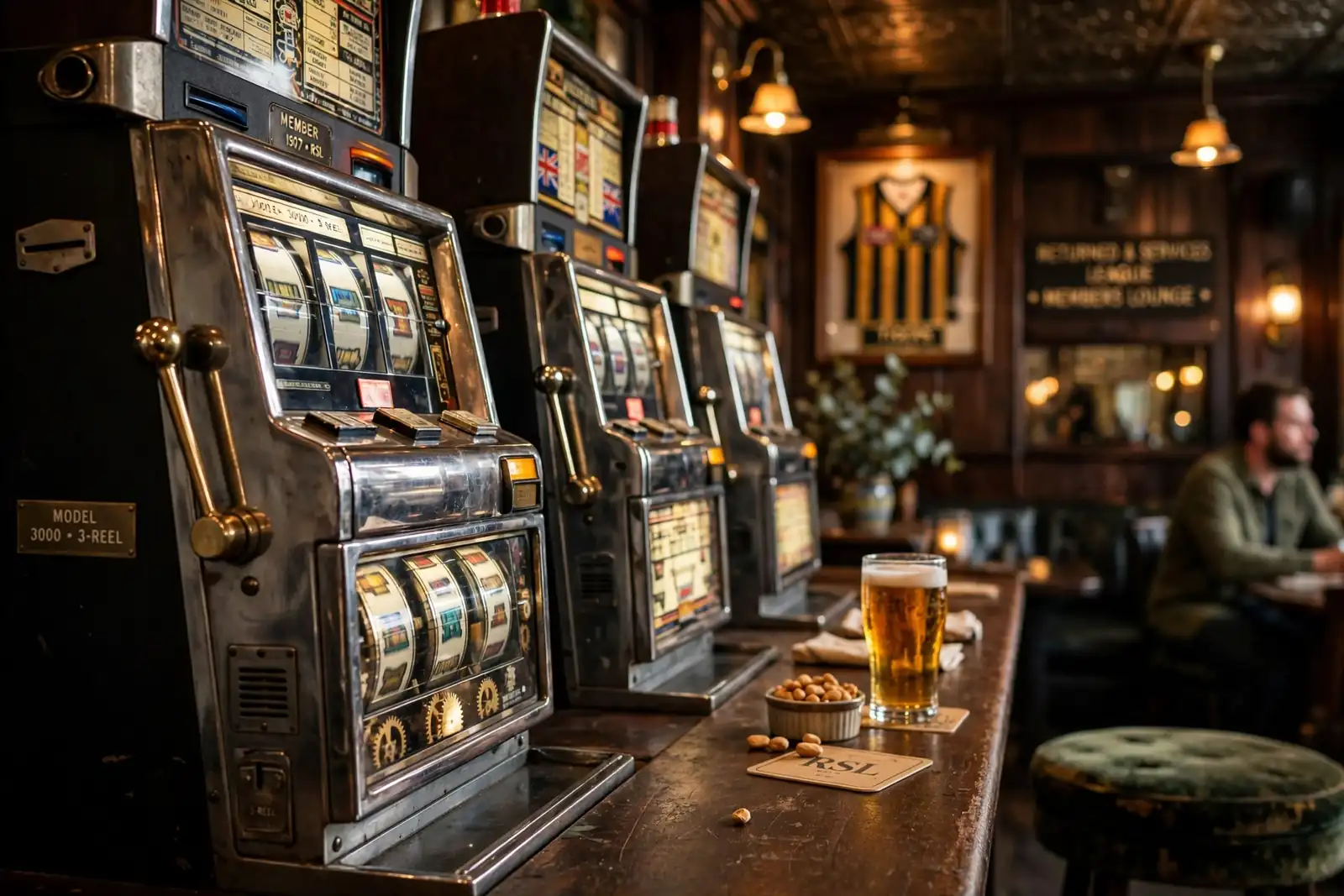

If you are weighing a live table against an RNG game, focus on what you can actually observe in the description. Does it say a real dealer operates equipment and that the action is streamed? That points to live dealer play. Does it say the software determines the cards or roulette result? That points to RNG play. If neither is made clear, the label has not answered the format question.
It is also worth keeping format separate from claims about chances. The fact that a table is live does not establish that it offers better odds, and an RNG label does not establish the opposite. Bitcoin wording cannot settle that question either. I would not treat “best” in a table description as proof that the game has a different mathematical basis or a more favourable outcome.
For anyone comparing what might be called Bitcoin tables with ordinary online tables, the sound comparison is therefore a narrow one: live presentation versus software-generated outcomes. The available description may identify the dealer and equipment, or explain that an RNG selects results. Those details can help you understand what you would be watching, but they do not make Bitcoin a game format.
Keep the categories straight. A payment-related term, a streamed dealer table and an RNG-based game are not interchangeable descriptions. One names a currency concept; the others explain how the game is delivered or how its outcomes are produced. That’s the useful distinction.
- Check if the dealer is actually streamed for a live experience
- Look for clear descriptions of how outcomes are generated
- Infer game mechanics from currency labels like “Bitcoin”
- Assume a live dealer format guarantees better odds
What the Rules Tell You About Your Chances
When people ask which casino table game has the best odds, the first thing I look at is what “best” is meant to describe. It might mean how likely a chosen bet is to win, how much a winning bet pays, or how the rules affect the game overall. Those are related, but they are not interchangeable. A game name alone cannot settle the question.
Blackjack gives you a clear objective to start from: you play against the dealer, aiming for a hand value closer to 21. That tells you what a player is trying to achieve, but not the chance of winning a particular hand. The rules define how play works; to judge a bet’s prospects, you also need to know which result counts as a win and what the payout is for that result.
A useful way to read any odds claim is to ask what it measures. The probability of winning a hand is not the same thing as the amount paid when you win. Nor does a high chance of winning automatically mean a bet is favourable overall: the payout matters too. A comparison that gives only one of those pieces can leave out the part that changes the interpretation.
Baccarat makes the distinction between the game and the wager especially visible. A player can bet on their own hand, the Banker’s hand, or a tie. Each is a different prediction about the result, even though the underlying game is the same. So “the odds of baccarat” is not precise enough on its own; you would need to know which bet is being discussed, along with its chance of success and the payout attached to it.


That is why a house-edge chart is useful only when its entries are genuinely comparable. Check whether it is discussing the same kind of bet, and whether it explains the rules and payout assumptions behind each figure. A chart that places unlike bets side by side can look decisive while answering a different question from the one you have in mind. Neat columns can hide messy comparisons.
There is also a difference between choosing a bet and changing the game. Picking the Banker’s hand rather than a tie changes what you are backing; it does not, by itself, rewrite the rules of baccarat. Likewise, understanding blackjack’s target helps you follow the contest, but it is not a substitute for knowing the details that govern how a hand is settled.
I would be wary of claims that name a single “best” table game without saying what is being compared. A meaningful comparison needs a specific wager, the applicable rules, the chance of that result and its payout. Without those pieces, “best odds” is more slogan than useful guidance. The same caution applies to claims about the worst odds: a broad label can obscure differences between bets within a game.
For a quick first pass, identify the objective, name the exact bet, then look for a comparison that sets out both probability and payout under stated rules. That approach will not make every table easier to predict, but it will stop you mistaking a game’s goal for a measure of your chances. A small distinction. A useful one.
Evaluating Odds
- Identify the specific wager being made
- Verify the applicable rules for that bet
- Check the probability of winning the result
- Confirm the payout attached to that result
Getting to Grips with a Hand or a Roll
A card game and a dice game ask you to follow different kinds of action. In poker, attention stays on the hand players are trying to build. In a dice game, the focus is on a pair of dice and the outcome a player has backed. Those are simple starting points, not complete rulebooks: the details depend on the game being played.
Poker centres on making the best possible hand. Players compete to assemble a hand, and the contest is about how the hands compare when the game calls for them to be judged. If you are learning the basic idea, keep your attention there: what makes up a hand, and how the game determines which hand is best. There is no need to begin by memorising every possible situation.
A useful way to watch a poker game is to separate the hand from the decisions around it. First, follow how the hand takes shape. Then notice what the players do as the contest develops. The aim remains to build the strongest possible hand, but the way players approach that aim is part of the play. The exact actions and rules vary, so check the rules for the particular game rather than assuming every poker table works in precisely the same way.
The dice game described here has a more direct central action: players roll a pair of dice and bet on the outcome. To understand what is happening, keep track of the roll and the outcome each bet concerns. That is the core loop. The rules of a particular version explain which outcomes can be backed and how the game treats them; do not assume those details are identical across every dice game.


The contrast is straightforward. Poker puts the emphasis on building and comparing hands; the dice game puts it on a roll and bets tied to its outcome. Neither description tells you which game is easier, more rewarding or more suitable. It simply helps you recognise what you are watching and which part of the rules to read first.
If you are trying to learn how a table game works, read its rules before treating the action as self-explanatory. For poker, start with how a hand is formed and judged. For a dice game, start with what the possible bets refer to and how the roll determines the outcome. Small rule details can change the meaning of a decision. Best to know first.
These descriptions are for understanding the game mechanics, not an invitation to play for money. Australia’s Interactive Gambling Act 2001 prohibits operators from providing real-money online casino games to people in Australia, including poker and table games. Keep the distinction clear: knowing how a hand or roll works is not the same as being offered a way to gamble.
Searching for Table Games Near You in Australia
A search for a casino nearby can mean two different things: you may be looking for a physical venue to visit, or trying to find table games online. They are not interchangeable. A map can help with the first; it does not tell you whether online casino play is lawful or accessible in Australia.
Search results that look local or use nearby wording do not make an online real-money casino service lawful in Australia.
For a physical visit, start with your actual location rather than a broad phrase such as “casino near me”. Check the venue’s own current information before travelling, and confirm that table games are available when you plan to go. Listings and map results can be incomplete or out of date, so a quick check with the venue can save a wasted trip. I would not assume that a place appearing in a general casino search is close, open, or has the particular kind of table play you have in mind.
Location matters in another way: searches for casinos in Miami or Ohio point to places overseas, not options around an Australian address. If you are in Australia, those results do not answer the practical question of where you could go locally. Keep the search tied to your Australian city or region, then verify details with the venue itself. No guesswork needed.
The online version of “near me” needs more care. Australian law prohibits operators based in Australia from offering real-money interactive casino games to residents. The Australian Communications and Media Authority (ACMA) enforces the rules and blocks unlicensed domestic platforms. So an online result that looks local is not the same thing as a nearby physical casino, and it should not be treated as an invitation to play.
This distinction can be easy to miss when a page uses familiar local wording or presents table games alongside venue-style language. Ask yourself what the result actually refers to: a place you can visit, or an internet service. If it is a venue, check its location and current details directly. If it is offering real-money casino play online, the fact that it appears in a local search does not make that service lawful in Australia.

A “new” table-game result can also mean different things. It might refer to a newly listed venue, a recently updated page, or an online product. The label alone tells you little about where the game is available or whether the listing is current. Check the context before relying on it.
In short, use nearby searches to locate and verify physical venues, not to blur the line between visiting a place and accessing casino games online. A map pin is a starting point, not a promise.
The Australian Rules Behind Online Casino Tables
“Casino table games” is a broad label for gambling games offered in a casino setting, whether played at a physical table or presented online. The format does not change the central legal point in Australia: real-money online casino games are prohibited services when provided to people physically located here.
The governing law is the Interactive Gambling Act 2001 (IGA). Under Section 5, operators based in Australia cannot offer residents real-money interactive casino games. The restriction covers online casino services, not just a particular table or way of playing. A locally based business cannot make such a service lawful by describing it as entertainment or by changing how the table is presented.
The law is often misunderstood as a rule applying only to Australian companies. That is not a safe reading. Offshore location does not make it lawful to provide prohibited online casino services to people in Australia. The relevant issue is the service being offered to customers here, rather than the address shown on a website or the location of its operator. Australian law also prohibits advertising real-money interactive gambling services, including online casinos, to Australian audiences.
Legal Prohibition
Under Section 5 of the Interactive Gambling Act, operators based in Australia are prohibited from offering residents real-money interactive casino games.
The Australian Communications and Media Authority (ACMA) is responsible for enforcement. It acts against illegal online gambling services and can block access to unlicensed platforms. Blocking is an enforcement measure, not a statement that an inaccessible service has become lawful or that another service is approved. A website appearing online is not evidence of local authorisation.
That distinction matters when someone encounters an online table through a search, an advertisement or a link shared by another person. Search results do not establish legality. Nor does the use of casino table-games management software alter the legal status of the service using it: software is not a substitute for permission under Australian law.
The rules concern operators and the provision of services. They do not make an Australian player criminally liable simply for accessing an offshore casino. Still, that does not mean online casino tables are legally available to Australians. The prohibition on providing the service, ACMA’s enforcement role and access blocking all belong in the same picture.
If you are trying to understand why an online casino table is unavailable, the short answer is the national framework: Australian operators are barred from offering these real-money services, and offshore supply to people in Australia is also prohibited. A familiar casino label or a working page does not change that.
A Tour of the Table-Game Formats
A table game can be described in two different ways: by how its outcome is produced and by what happens during play. Those are separate distinctions. A card game, for instance, may be presented with a live dealer or use an online system to determine the cards. The format alone does not tell you which rules apply.

Live dealer or RNG
In a live dealer format, a real dealer uses casino equipment while video of the action is streamed to players. You see the table and the dealer’s actions on screen; the game is not simply an animation of a dealer.
An online RNG format works differently. A Random Number Generator determines outcomes such as which cards are dealt or where a roulette ball lands. The screen presents the result, but the action is not being shown from a live table. The distinction is about how play is conducted, not a promise that one format is more favourable than another.
That gives you a useful first check when reading a description: is it explaining a streamed table with a real dealer, or an online game whose outcomes are generated by software? The labels can sound similar, but the experience is not the same.
Cards and dice
A broad way to sort table games is by the equipment and actions involved. Card games use dealt cards; poker, for example, centres on players trying to build the best possible hand. Dice games instead involve rolling a pair of dice and betting on the outcome. That is a different sort of table action, even though both sit under the general table-game label.
These categories are an orientation, not a complete inventory. A short description may tell you whether a game involves cards or dice, but it will not necessarily explain its full rules or the way a particular online version handles play. Check the game’s own instructions before relying on a label.
Equipment and Action Summary
Card games use dealt cards and focus on building the best hand (e.g., poker), while dice games focus on the roll of a pair of dice and bets tied to that outcome.
For card games, also separate the underlying game from its presentation. A streamed dealer and an RNG are different ways an online table may operate; they do not turn every card game into the same experience. The same care applies when a page uses “live” broadly: look for a clear explanation that a real dealer and equipment are being streamed.
It is worth keeping the legal setting in view, too. Describing formats is not a recommendation to use an online casino. Australian law prohibits operators from providing real-money online casino games to people in Australia, and the format label does not change that. Clear distinctions help you understand what the words mean. No more than that.
Card Tables: Banker, Player and the Dealer
Card-table games can look similar from across the room, but the question you are deciding on differs from one game to another. In baccarat, the central choice is where to place a bet: on the Player’s hand, the Banker’s hand, or a tie. The labels describe the possible outcomes you are backing. They do not mean that you are taking the role of banker or playing against another customer.
That distinction is easy to miss if you are new to the table. You are choosing which result to support, rather than selecting a seat or deciding who deals. The options are presented plainly, but it is still worth pausing to understand what each label refers to before making a choice. A tie is its own possible selection, alongside either hand.

Blackjack uses a different frame. There, the player is competing against the dealer, with the aim of ending up with a hand value closer to 21 than the dealer’s. The comparison is between your hand and the dealer’s, not between your hand and the other people at the table. Once you see that, the dealer’s role makes more sense: the dealer is the opposing side in the game.
I find it useful to separate these ideas before looking at anything else. In baccarat, the question is which named outcome your bet is on. In blackjack, it is how your hand compares with the dealer’s. Both are card-table games, but the player’s focus is not the same. Small distinction. Big difference.
If you are reading a table layout, take the labels literally and keep the two setups apart. “Player” and “Banker” identify the baccarat outcomes you can bet on; they are not a description of your role at the table. In blackjack, “dealer” identifies the opponent whose hand is compared with yours. That is the basic orientation, without needing to turn it into a catalogue of card games or a guide to betting strategy.
The practical takeaway is simple: first identify what the table is asking you to back or compare. A baccarat layout presents a choice among the Player’s hand, Banker’s hand and tie. A blackjack table sets your hand against the dealer’s, with 21 as the reference point. Knowing which structure you are looking at helps you read the table correctly; it does not by itself say anything about the chances of a particular result.
Focuses on choosing which outcome to back: the Player’s hand, the Banker’s hand, or a tie.
Focuses on competing against the dealer to achieve a hand value closer to 21.
Roulette: The Wheel and Its Number Layouts
When I look at an online roulette table, I start with the wheel layout, not the artwork around it. The version name tells you what to check: European, French or American. The key visible difference is the green pocket or pockets.
European roulette has 36 numbered pockets and a green zero. French roulette has the same count of numbered pockets and a single green zero. American roulette has a green zero and a green double zero, marked 00. That extra marking is easy to miss if you are scanning quickly, so take a moment to check the wheel before you settle in.
The difference is straightforward: European and French layouts share the single-zero arrangement, while the American layout shows both 0 and 00. You do not need to know a long list of table terms to identify that distinction. Look at the wheel itself, then confirm the version named on the table.
Online, these are the main roulette versions you are likely to encounter. A polished interface can make tables look alike, but the wheel markings give you a practical way to tell them apart. If the label and layout seem inconsistent, pause and inspect the display rather than assuming every roulette table uses the same arrangement. Small detail, clear answer.
This is a useful first check whether you are browsing casino table games or simply trying to understand how a roulette table is set out. The names describe different layouts; they are not interchangeable labels. European and French roulette each show 36 numbered pockets alongside one green zero. American roulette includes a green zero and a green double zero.
I would keep the check simple: find the green pocket or pockets, note whether 00 is present, and match that to the version name. That keeps your attention on the actual table in front of you instead of relying on a thumbnail or a broad category heading.
Roulette can sit alongside many different casino table games, but this comparison is about the wheel layout alone. It is not a guide to every table game, nor does the number of green pockets by itself tell you which version to choose. First identify what is on the screen. Then you know which layout you are looking at.
Poker at the Table: Building the Best Hand
Poker centres on a shared contest: players try to build the strongest hand they can. That is the basic idea whether you encounter poker among casino table games or see it described as a casino poker game. The details of play can vary, but the goal stays easy to grasp.
A hand gives you something to work with; your task is to judge how it compares with the hands in the contest. You are not simply trying to beat a dealer’s target. You are competing with other players to make the best possible poker hand. That difference is worth keeping in mind when you sit down: poker is about the relative strength of hands, not just a single number to reach.

If you are browsing poker table games at a casino, avoid assuming every title follows the same format. “Poker” covers a broad category, and a name alone does not tell you all the rules or how a particular table is played. Read the game’s own instructions before joining, so you know what counts as a hand and what the table expects. A moment spent there can save a lot of guesswork.
You may also come across names such as pai gow poker while looking through casino poker offerings. Treat the name as a prompt to check that game’s rules, rather than proof that its play works just like another poker table. The shared starting point is still the competition to form the best hand; the specific format needs its own explanation.
That is poker in a nutshell: build your hand, weigh it against the others, and play to finish with the strongest one. Simple aim. Not always simple decisions.
Can you play table games online for real money?
Yes, online table games can be offered for real-money play in live-dealer or software-generated formats. In Australia, however, the game format does not change the restrictions on operators offering these services.
What is the legal status of online table games for Australian players in 2026?
Under Section 5 of the Interactive Gambling Act, operators based in Australia are prohibited from offering residents real-money interactive casino games. The ACMA enforces the law and blocks unlicensed domestic platforms.
Are online casinos legal in Australia?
Australian-based operators cannot legally offer residents real-money online casino games. Offshore platforms may accept Australian players, but that does not change the restrictions on domestic operators.
Can you legally gamble online in Australia?
Australian law prohibits operators based in Australia from offering residents real-money interactive casino games. The ACMA enforces these restrictions and blocks unlicensed domestic platforms.
Prepared by the Wildfortunecaasino.net editorial staff.