Best Pokies in Tasmania: Hours, Access and Venue Checks
 Available in AU
Venue listings can lag, and an open building does not confirm that its pokies area is operating.
Table of Contents
- Checking Whether a Tasmanian Venue Is Open
- What “Best-Paying” Can—and Cannot—Tell You
- Getting Around: Airport, CBD and Other Nearby Searches
- What to Check at a Tasmanian Pokies Venue
- The Spirit of Tasmania and Online Searches: Keep Them Separate
- Pokies Hours and the 24-Hour Search
- A Local Reality Check on Tasmanian Pokies
- Online Pokies Searches from Tasmania: The Legal Limits
- CBD Clubs and Machine-Room Signage
- Cashless Pokies: What This Guide Can Confirm
Checking Whether a Tasmanian Venue Is Open
An “open” label can answer less than it seems. It may refer to the venue as a whole, not the part you intend to visit; it may also be out of date by the time you leave home. Before setting out, check the status of the exact venue and, if that is what matters to you, confirm that its pokies area is available too.
Start with the venue’s own current information. Look for a notice on its official website or social media page, rather than relying only on a map listing or a search-result summary. Those summaries are handy for a first look, but they can lag behind a venue’s own updates. A page showing a venue as open is a clue, not confirmation that every service inside is operating.
If the details are unclear, contact the venue directly. Keep the question specific: is the venue open at the time you plan to arrive, and are the pokies operating? That distinction is useful because a building can be open while a particular facility or service is not available. A broad question such as “Are you open?” might get you a broad answer. Clear question, clearer answer.
Check that you have the right venue before relying on anything you find. Names can be similar, and a result may point to a different business or to an old listing. Compare the name and address shown on the venue’s own page with the details in your route or map. If a result mentions a brand or place you do not recognise, do not assume it refers to a Tasmanian venue; confirm the business identity first. A familiar-sounding name proves very little.
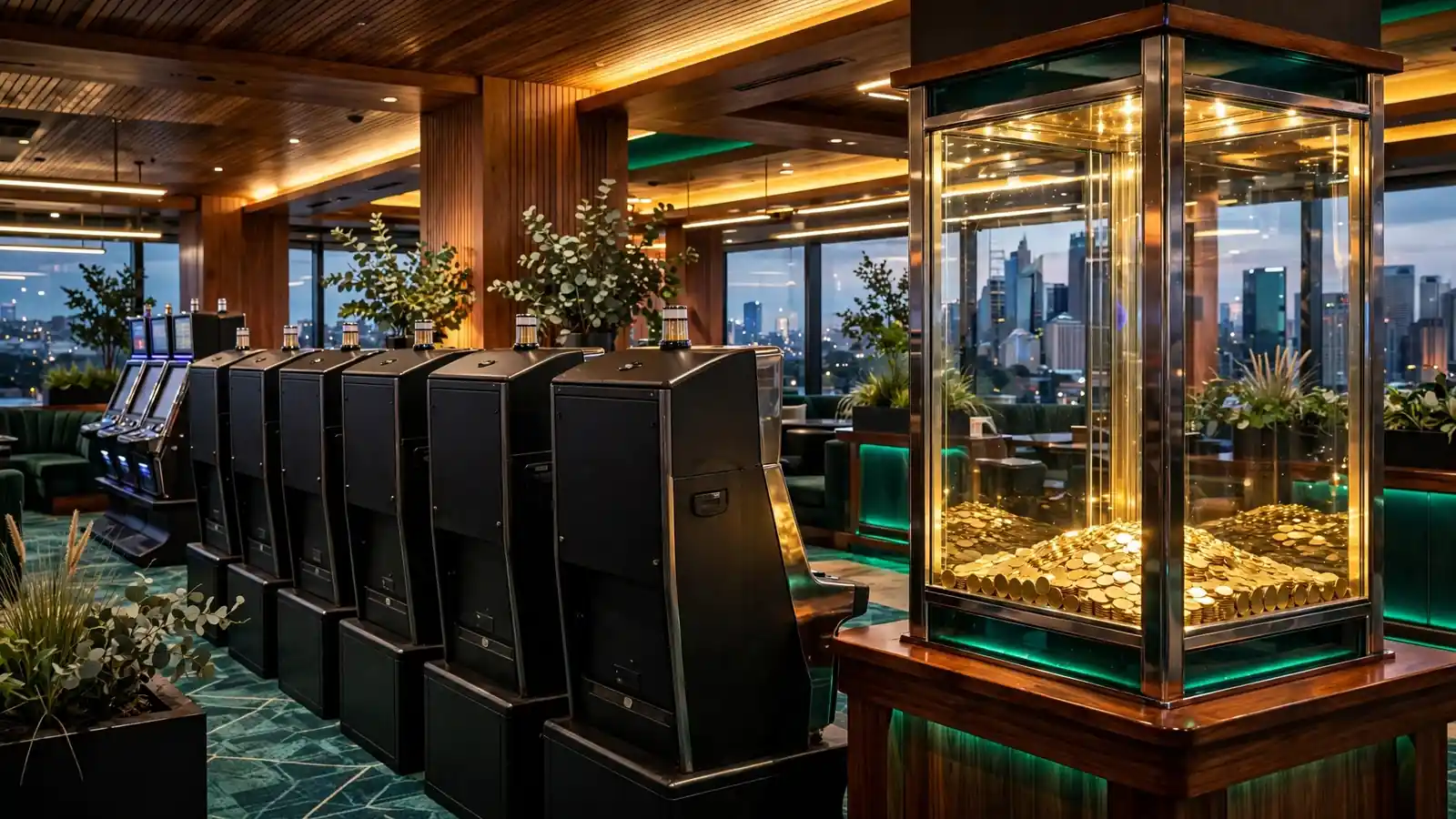
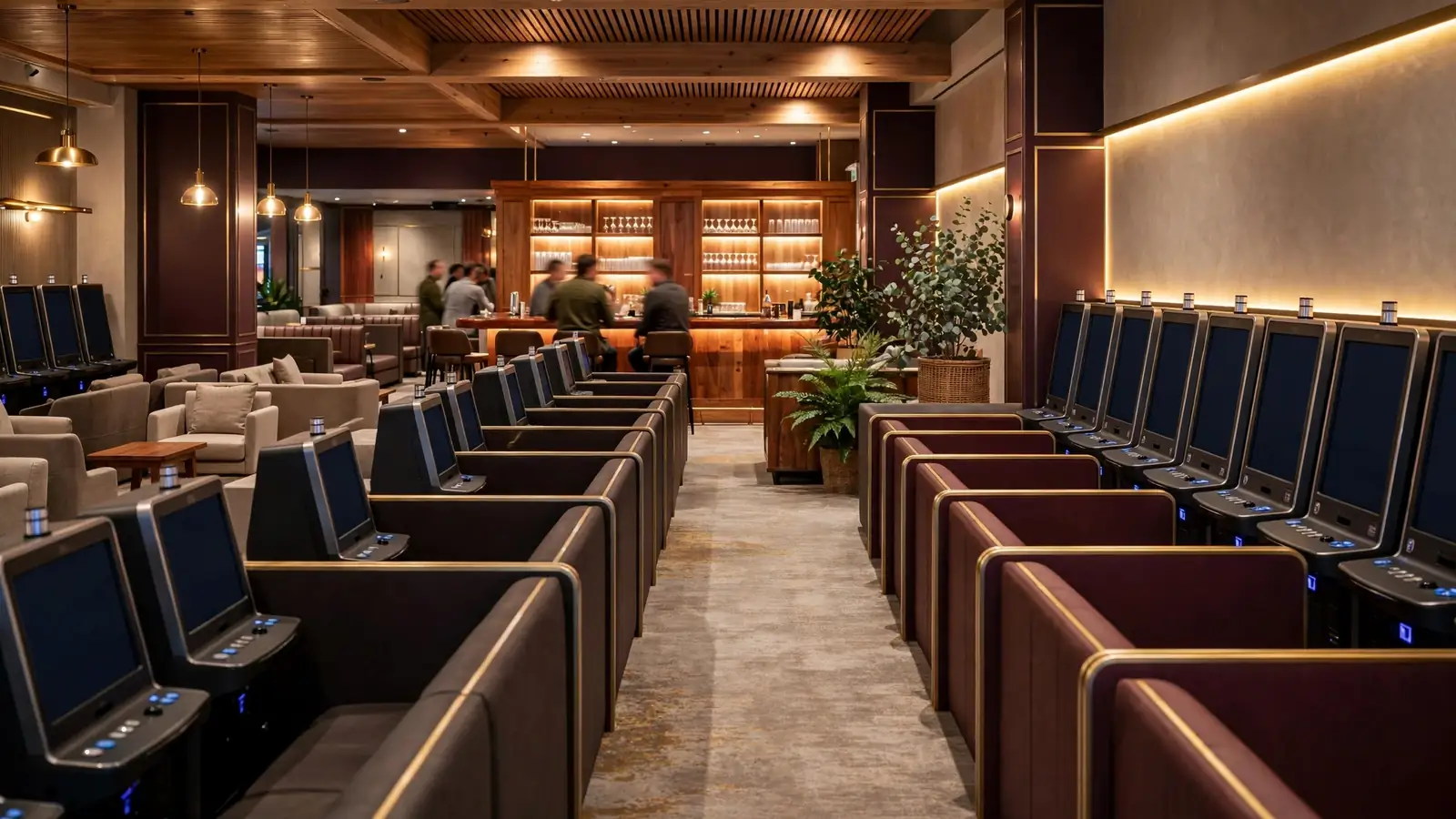
Pay attention to the date and context of any update. A post announcing a temporary change may no longer apply, while an older page can remain visible long after circumstances have shifted. If the information does not say when it was updated, treat it cautiously and use the venue’s contact details to check. A fresh confirmation beats a polished page with no clear date.
It also helps to think about what “open now” means in your case. You may be asking whether the doors are open, whether the venue is admitting patrons, or whether the pokies are available. Those are related questions, not interchangeable ones. Say which one you need answered. If you are travelling specifically to use the machines, make that explicit rather than assuming a general venue status covers them.
Do not let a single search result settle the matter if the information conflicts. For instance, a map might show one status while the venue’s own page gives another. In that situation, use the venue’s direct contact details and ask for confirmation. If you cannot get a clear answer, it is safer to treat the status as uncertain than to make the trip on the strength of a badge that may be stale. Mildly annoying. Better than a wasted journey.
You may also see a venue described as “open” in a directory without any indication of what that status covers. Directories are useful for finding contact details, but their labels do not necessarily distinguish between the whole venue and its pokies area. Check the listing’s date if one is shown, then confirm with the business. The same goes for snippets copied into search results: they can display only part of a page, stripped of the qualification that matters.
- Check the venue’s official website or social media
- Contact the venue directly for specific machine status
- Confirm the exact name and address of the business
- Rely solely on map listings or search summaries
- Assume a general “open” status includes the pokies area
- Trust results that lack a clear update date
For an early or late visit, do not infer machine availability from a result that merely says the venue is open. Ask about the specific time you expect to arrive and the specific service you want to use. That keeps the check practical without relying on a general description that may not fit your plans. If your timing is flexible, having another option in mind can save a second trip if the answer changes.
Before leaving, make sure the contact information belongs to the venue itself. An unofficial directory can carry old numbers or details for a different business. Use a number or contact form linked from the venue’s own page where possible, and read back the name so there is no confusion about which place you have reached.
I would treat “open now” as a starting point, not a promise. Confirm the venue, confirm the timing, and ask whether the pokies themselves are operating. That small check is the difference between a plausible result on a screen and information you can actually plan around.
What “Best-Paying” Can—and Cannot—Tell You
Choosing where to play pokies in Tasmania in 2026 means weighing the details that matter to you, from licensing information to deposit and payout terms. Use these short verdicts as a starting point for your own checks.
Payout speed: crypto ~90 minutes, fiat 1-5 days · Min. deposit: A$30 Kingmaker lists crypto payouts at around 90 minutes and fiat payouts at 1–5 days. Its minimum deposit is A$30.
License: Curacao Gaming Control Board OGL/2023/176/0095 (Hollycorn N.V.) Neospin lists a Curaçao Gaming Control Board licence, OGL/2023/176/0095, held by Hollycorn N.V. This licensing detail is the key point to check.
License: Curacao eGaming (Hollycorn N.V., since 2017) · Min. deposit: A$20-30 (depends on the offer) Playfina Casino lists Curaçao eGaming licensing under Hollycorn N.V. and has operated since 2017. Its minimum deposit is A$20–30, depending on the offer.
License: Curacao · Min. deposit: A$20 (POLi) Lucky Dreams lists a Curaçao licence and a A$20 minimum deposit via POLi. These details can help you assess whether its entry terms suit you.
License: Curacao Gaming Control Board OGL/2023/174/0082 (Dama N.V.) SpinsUp lists a Curaçao Gaming Control Board licence, OGL/2023/174/0082, held by Dama N.V. The licence information is its notable detail here.
License: Curacao eGaming (Roby Games Ltd) Roby Casino lists Curaçao eGaming licensing under Roby Games Ltd. This gives you a specific licensing detail to consider.
License: Curacao eGaming OGL/2024/923/0383 (Antillephone N.V.) · Min. deposit: A$30 WinSpirit Casino lists Curaçao eGaming licence OGL/2024/923/0383, held by Antillephone N.V., and a A$30 minimum deposit. These are the available details to weigh.
Payout speed: crypto 30-120 minutes, fiat 24-72 hours · Min. deposit: A$30 MrPacho lists crypto payouts at 30–120 minutes and fiat payouts at 24–72 hours. Its minimum deposit is A$30.
License: Curacao Golden Pokies lists a Curaçao licence. That is the main available detail to consider when looking into the operator.
License: Curacao (operating since 2017) · Min. deposit: A$20 Uptown Pokies lists a Curaçao licence, has operated since 2017, and has a A$20 minimum deposit. These details give you a starting point for further checks.
“Best-paying” sounds like a straightforward label, but it can hide an important detail: the return setting attached to a pokie may not be identical everywhere it appears. A specialist review reports that some game providers let casinos choose between multiple RTP settings for the same game. In practice, that means the title alone cannot tell you which setting applies at a particular casino in Tasmania.
RTP, or return to player, describes a theoretical return calculated across play on a particular setting. It is not a forecast of what you will get back from a visit, nor does it tell you what will happen on your next spin. If you see a claim that a game pays well, check whether it identifies the setting and where that information comes from. If it leaves those details out, treat the claim as incomplete rather than as a promise.
That distinction matters when comparing pokies. Two casinos could offer the same title while using different settings; the game’s name, artwork and features would not necessarily reveal that difference. A general description of the game is not the same thing as confirmation of its return setting at a specific casino. If the setting is not clearly stated, you cannot safely infer it from a headline, a familiar title or another casino’s information.
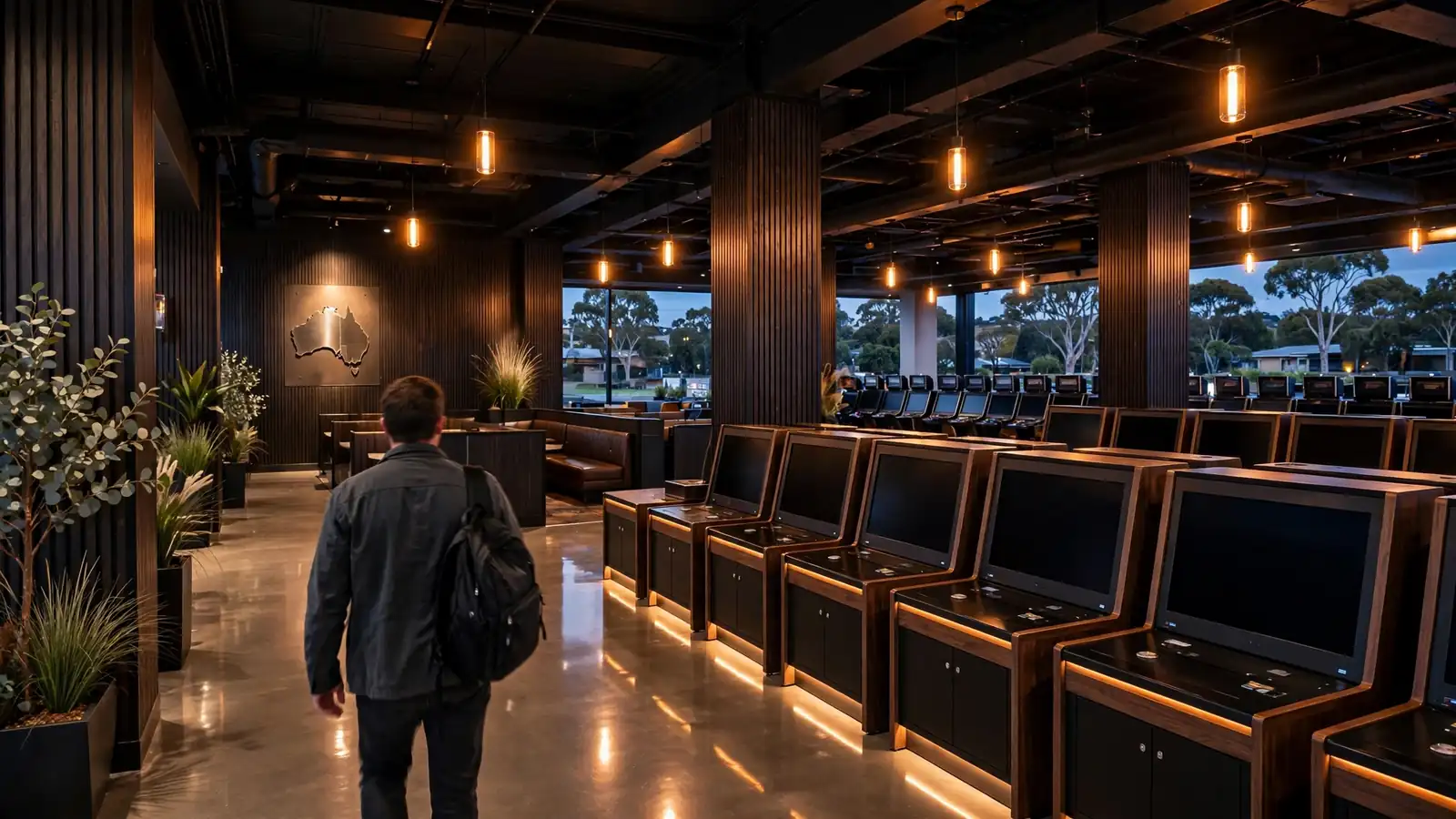
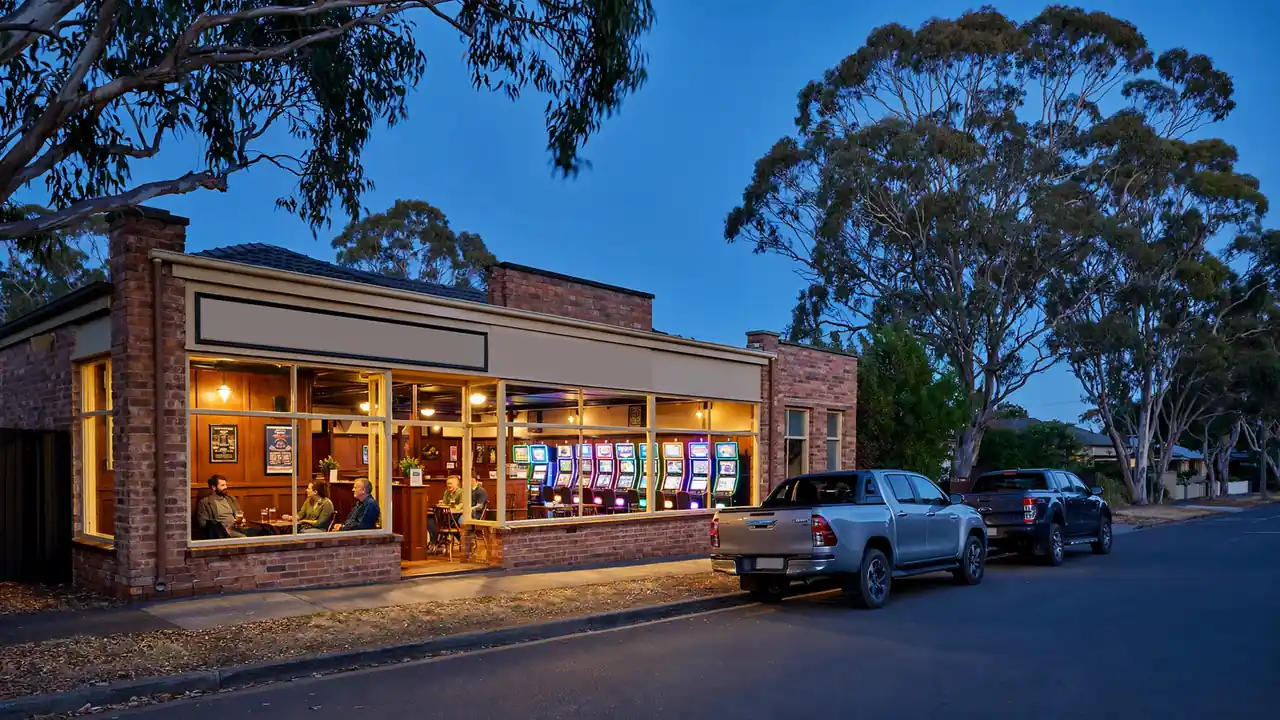
Even a confirmed RTP setting has limits as a guide to individual play. Each spin is generated separately by a Random Number Generator, so the result of one spin does not make a particular result on the next one more likely. A run of wins does not establish that the machine is about to stop paying; a run of losses does not mean it is due to pay. There is no useful pattern to read from the last few outcomes.
That can feel counterintuitive at the machine. People naturally look for a rhythm: a quiet stretch, a near miss, a feature that seems close. But those impressions do not change the next random result. The past spin is past. That is the whole point of independence.
So when you hear someone describe a pokie as one of the best-paying in Tasmania, separate the claim into two parts. Is there reliable information about the RTP setting used at that casino? And, separately, are you expecting that setting to predict your own short session? The first is a question about the game’s configuration. The second is not something RTP can answer.
This applies whether you are comparing a casino in the city with another Tasmanian venue, or simply trying to make sense of a claim about a familiar game. A setting might help describe the game’s theoretical return over extensive play, but it cannot rank your likely experience on a particular night. Nor does a claim about one location automatically describe the same title elsewhere.
Attention: The same pokie title may have different RTP settings at different casinos, meaning a game’s name alone cannot confirm its return rate at a specific venue.
I would be wary of confident wording that skips the setting and jumps straight to “pays best”. Ask what the statement is based on. Does it refer to a specific casino and configuration, or is it repeating a general impression? If the setting cannot be established, the comparison has no firm footing. And even where it can, the number is not a personal forecast.
There is also a difference between a machine’s return setting and whether you should keep playing. RTP does not tell you when to stop, whether a session is affordable, or whether chasing a loss will work. It will not. The neatest figure on a screen cannot turn chance into a schedule.
For a Tasmanian player, the sensible takeaway is modest: the same pokie may have different RTP settings at different casinos, so a title is not enough to compare them. But no setting can tell you how the next spin will land. Useful distinction. No crystal ball.
Getting Around: Airport, CBD and Other Nearby Searches
“Near me” depends on where you are standing, and in Tasmania the same search can mean very different things across the state. If you are travelling, start with the exact place you need to reach: the airport named on your itinerary, your accommodation, or the part of town you plan to visit. A broad search for pokies near Tasmania will not tell you how far a venue is from your actual starting point.
Airport searches need the same care. A result described as being near an airport may still involve a trip that does not suit your arrival time, transport plans or luggage. Check the route from the terminal rather than relying on the result’s label. If a listing does not show a clear address, treat its proximity as unconfirmed until you can match it to a current map or venue contact information. A pin on a map is a starting point, not a travel plan.
The CBD can be just as vague. Tasmania has more than one town centre, so “near the CBD” is only useful once you know which one you mean and what point you are measuring from. A venue may appear close to a central address on a map while being less practical from your hotel or the place you are visiting. Check the walking or driving route that matters to you, not simply the straight-line distance.
The same applies to searches for pokies in northern Tasmania or elsewhere in the state. A regional label covers a broad area; it cannot establish which venue is closest to you. Narrow the map to your town or destination, then compare the listed address with information provided by the venue itself. If you are travelling between places, make the route part of the check rather than assuming a result will be conveniently on the way.
I would not treat a general listing as confirmation that a particular venue has pokies. Search results can mix venue categories, outdated pages and map entries that say little about what is available inside. Nor can a location label establish the current state of a venue. Confirm the relevant details directly before making a detour; distance alone is not enough.
Verify Venue Location
- Identify the specific destination (airport, CBD, or town)
- Check the route from your actual starting point
- Match the address with official venue information
- Confirm the venue currently has operating pokies
Keep the different questions separate. A map can help you work out where a venue is, but it cannot tell you whether the machines are operating or settle other venue-specific details. Those need a direct, current check. If you are comparing places around an airport, town centre or regional destination, write down the actual addresses first. That makes it easier to see whether the trip fits your plans without mistaking a broad “nearby” label for a useful answer.
For someone arriving in Tasmania, the practical order is simple: identify the destination, check the route from your real starting point, and confirm the venue details before setting out. For a local, “near me” should be judged from the current location rather than from a state-wide result. A little map work helps; guesswork does not.
What to Check at a Tasmanian Pokies Venue
A venue can look polished and still leave basic questions unanswered. Before settling in, I’d check the practical details: who you can speak to if gambling stops feeling manageable, what limits or self-exclusion options the venue can explain, and whether staff can tell you how to raise a concern. A clear answer is more useful than a broad promise that the venue takes safety seriously.
Ask whether a Responsible gambling officer (RGO) is on duty when the pokies are operating, if the venue is required to have one. A report published by regionriverina.com.au says venues with more than 20 gaming machines must have a dedicated RGO present while those machines are operating, from 1 July. That report describes a requirement, but it does not by itself confirm how it applies to a particular Tasmanian venue. If the machine count or the local requirement is unclear, ask the venue directly rather than assuming the rule has been met.
You can also ask who handles a gambling-related concern when an RGO is not the person available. Notice whether staff give you a straightforward route to help, without making you repeat yourself to several people. If you want to set a limit or take a break, check what the venue can actually arrange and how to request it. These are venue-level questions, not a test of whether a place deserves the label “best pokies venue in Tasmania”.
A separate report on venue requirements says a gambling incident register is to record occurrences, including behaviour suggesting a patron may be at risk of, or affected by, gambling harm. That is a record-keeping measure, not a guarantee that every difficult moment will be noticed. You can ask how staff respond when they are concerned about someone, and whether there is a clear process for raising an issue. The answer should explain what happens next, rather than simply point to a policy on a wall.
Before you play, take a moment to check the surroundings and your own plan. Decide what you are comfortable spending and how long you intend to stay; deposit limits, loss limits, session time limits and self-exclusion are tools you can ask about. If you feel pressured to keep playing, step away and speak with staff or someone you trust. No venue can make a random game predictable.
Venues with more than 20 gaming machines are required to have a dedicated Responsible Gambling Officer (RGO) present while those machines are operating.
For a shortlist of Tasmanian pokies venues, compare what each can explain about support and incident handling, not just the room or the machines. I’d treat vague answers as a reason to pause, not as proof of a problem. You are entitled to ask plainly, and to leave if the arrangements do not feel clear. A little checking first.
The Spirit of Tasmania and Online Searches: Keep Them Separate
A question about pokies aboard the Spirit of Tasmania is a question about the ferry’s onboard facilities, not about a casino in Tasmania. I wouldn’t plan a trip on the assumption that pokies are available during the crossing. Ask the ferry operator directly about current onboard facilities before you travel; a casino-related search result is not confirmation of what is offered on a sailing.
The same distinction matters when a search combines Tasmania with a casino name. A reference to Crown does not, by itself, establish that a Crown casino or its pokies are in Tasmania, or that a particular facility is connected with the ferry. Check what the result is actually describing before treating it as a local venue or an onboard option.
Online play is a separate matter, and the legal position is important. Under the Interactive Gambling Act 2001, companies cannot legally provide real-money online pokies to people in Australia without a domestic licence. No Australian online casino licences have been issued, so there is no Australian-licensed online casino offering real-money pokies.
That means a page advertising a no-deposit offer or real-money play is not evidence of a locally licensed casino. A bonus headline can distract from the more basic issue: who is offering the service, and whether that offer is lawful in Australia. I would not treat promotional wording as a reason to hand over personal or payment details.
There is also a practical risk beyond the offer itself. If an offshore casino refuses to pay winnings, Australian players have no legal recourse in Australia to recover them. A polished website or familiar-sounding brand does not change that position.
Keep the two decisions apart: confirm ferry facilities with the operator, and don’t mistake online promotions for a local casino option. If you’re simply trying to work out whether you can play during a crossing, get a direct answer about the ship rather than relying on casino listings or bonus pages. A search result can join unrelated topics together; it cannot verify what is available onboard, or make an online casino lawful here.
No shortcut there.
Pokies Hours and the 24-Hour Search
A listing that describes a Tasmanian venue as open around the clock is not proof that its pokies are operating at every hour. The venue’s doors, its bar or other facilities, and the machine area may have different schedules. An “open now” label can blur those distinctions, so I treat it as a prompt to check, not a green light to set out.
If you’re trying to work out whether pokies are available late at night or early in the morning, check the venue’s own current information first. Look for hours that refer specifically to gaming or machine operations, rather than a general opening time. If the listing gives only one set of hours, don’t assume it covers every part of the venue.

Then contact the venue directly if the detail matters to your plans. Ask whether the machine area is operating at the time you intend to visit, and whether those hours differ from the venue’s general opening hours. That is a simple check, but it answers the question an online listing may leave hanging.
Hours can also be affected by changes to a venue’s arrangements. A schedule displayed elsewhere may not have been updated, and a search result can remain visible after information has changed. Check the date of the venue’s own update if one is shown, and confirm again before travelling if you are relying on a late-night or early-morning visit. Old listings are stubborn things.
Be precise about the time you mean when you call. “Are you open?” may get you an answer about the venue as a whole; asking whether pokies will be operating then is clearer. If you are told the hours are different on a particular day, rely on that current answer rather than a general listing.
A 24-hour description should be read just as carefully. It may refer to the venue, a service, or information supplied by a third-party directory; the wording alone does not establish that the pokies themselves run continuously. Nor does it confirm that a machine area is accessible whenever the main venue is open. Check both points.
I’d avoid making a long trip on the strength of a map label or a search snippet. Verify the machine hours with the venue, note any day-specific conditions, and check again if your plans are flexible. That is the practical way to interpret Tasmanian pokies opening hours: confirm the part you intend to use, at the time you intend to be there.
A Local Reality Check on Tasmanian Pokies
A pokie can feel as though it is “due” after a run of losses, or as though a recent win has changed what comes next. Neither impression predicts the next spin. Each spin is an independent random event, so a streak is not a signal and a machine does not owe you a result. I keep that in mind before I sit down, not after I have already spent more than I meant to.
That is the useful answer to the hunt for the best pokies in Tasmania: there is no reliable way to pick a machine that will make your visit profitable. A bigger bet does not make a win more certain, and a maximum cash payout is not a promise that you will win that amount. If those details matter to you, ask the venue what applies to its machines before playing. Don’t treat a rumour or a past player’s story as a forecast.
The practical choice is less glamorous: decide what you can afford to lose, and set a stopping point before play begins. Deposit limits can restrict what you put in; loss limits can put a boundary around losses; session time limits can help you notice how long you have been there. Self-exclusion is an option if you need to step away from gambling. These tools work best when you set them while you are calm, rather than trying to negotiate with yourself mid-session.
Responsible Play
- Set a spending and time limit before you start
- Treat every spin as an independent random event
- Use deposit and loss limits to manage your budget
- Walk away if you feel pressured to keep playing
I’ve found that a simple plan is easier to follow than a clever system. Leave your bank card out of reach if that helps you stick to a budget, and don’t chase losses by increasing your stake. If you feel pressure to keep playing, take a break and use the limits or exclusion options available to you. Walking away is a decision, not a failure.
There is also a basic age rule: gambling in Australia is for people aged eighteen and over. That applies to pokies as well. If you are playing in person, treat the machine as entertainment with an uncertain outcome, not as a way to make money or recover a shortfall. The plain version: set your boundary, then keep it.
Online Pokies Searches from Tasmania: The Legal Limits
Being in Tasmania does not change the Australian rules for real-money online pokies. Under the Interactive Gambling Act 2001, offering online casino games to people in Australia is illegal for operators, and no Australian-licensed online casino is available. A site’s claim that it serves Tasmanian players does not make its service locally licensed.

The Australian Communications and Media Authority (ACMA) enforces the Act. It blocks access to illegal offshore gambling sites, and internet service providers must follow ACMA’s blocklist. That means a site may be inaccessible even if it appears in a search or someone shares a link. Access can change; seeing a page load is not proof that the operator is authorised in Australia.
The law targets operators rather than individual players. Australians may be able to play on offshore sites that accept them, but that does not make those services legal to provide here or give you the protections of a local online casino. If an offshore operator withholds winnings, Australian players have no legal recourse in Australia. I would treat that as a serious practical risk, not a technical footnote.
BetStop needs the same distinction. It applies to Australian-licensed operators and does not bind offshore sites. Since there is no Australian-licensed online casino, registering with BetStop should not be taken as a way to block yourself from every offshore gambling site. If you want help stopping, use support that is relevant to your situation rather than relying on BetStop to cover services outside its reach.
Terms such as “best-paying” or “high-limit” do not change the legal position. A claim about payouts, limits or availability is not evidence that a site is authorised, and an online result is not the same thing as a Tasmanian venue. I would not hand over personal or payment details just because a page uses local wording or looks polished. Looks can be cheap.
For pokies in person, check the venue directly; that is a separate question from playing online. For online play, the key point is simpler: operators cannot legally provide real-money online casino games to people in Australia, while ACMA works to restrict access to illegal offshore services. Don’t mistake a site being visible, or a link working, for a green light.
Legal Risk
Real-money online pokies are illegal for operators to provide in Australia, and players have no legal recourse if an offshore casino refuses to pay winnings.
CBD Clubs and Machine-Room Signage
If you are comparing clubs with pokies in a Tasmanian CBD, the name on the door is only part of the picture. I would pay attention to how the venue handles signs and responds when someone appears to be struggling. Those details tell you more about the environment than a claim that a room is “the best”.
One reported change concerns gambling incident registers. Regionriverina.com.au has reported that venues will be required to record incidents, including occasions when a patron’s behaviour suggests they may be at risk of, or affected by, gambling harm. The point is not to label someone from a glance. It is to make sure concerning events are recorded rather than treated as though nothing happened.
You can ask staff how they handle a concern and what support is available. A calm, clear answer is more useful than a poster that simply says help is available. If you are considering self-exclusion, ask the venue directly how its process works; do not assume that a sign or a conversation automatically completes it.
Sign placement matters too. A sign pointing patrons towards a gaming lounge should not be in the sightline of an ATM or EFTPOS terminal. A sign directing people to an ATM should not be within eyesight of gaming machines. These are practical restrictions, not just questions of tidy design: a prompt to keep gambling or find cash should not sit beside the very point where someone is accessing money.
When you are inside a club, notice where directions are placed. If a sign seems to steer patrons from a cash point towards the machine room, or from the machines towards an ATM, ask staff about it rather than assuming it is acceptable. The same goes for signs that are hard to see from one spot but obvious from another; sightlines change as you move through a room.
For a CBD visit, I would keep the check simple: look at the signage, ask how staff respond to gambling-related concerns, and find out how self-exclusion is handled if it is relevant to you. A well-worded notice is no substitute for a process that staff can explain. Small details matter.
Cashless Pokies: What This Guide Can Confirm
“Cashless” can mean different things in practice: paying at a venue without using notes or coins, or moving money through an online payment service. Those are separate arrangements. If you want to know how a Tasmanian venue handles payments around its pokies, contact the venue and ask what it accepts and whether any fees or conditions apply. Do that before you set out; a payment option you use elsewhere may not be available there.
PayID belongs to the online-payment conversation, not proof of a venue’s cashless setup. It moves funds through Australia’s New Payments Platform using an email address, mobile number or ABN as an alias. Even if a payment method is familiar, that says nothing about a service’s legality, fairness or transparency.
That distinction matters because real-money online casino games, including pokies, cannot legally be offered to people in Australia by operators. No Australian-licensed online casino exists. This is not a recommendation to look for an offshore alternative: ACMA blocks access to illegal offshore gambling sites, and Australian players have no legal recourse here if such a casino refuses to pay. BetStop applies to Australian-licensed operators only; it does not bind offshore sites.
So, for cashless pokies in Tasmania, treat the question as one about the venue’s own payment arrangements. Ask the venue directly, and make sure you understand what you are authorising before using a card or other payment method. A cashless option changes how money is handled, not the nature of gambling or the uncertainty of its outcome. Keep a spending limit in mind, and step away if the arrangement makes it easier to spend more than you intended.
A nearby place name in a search does not establish that a venue has a particular payment system. Check the venue, not the assumption.
Are online pokies legal for Australian players?
Yes, Australian players can legally play on offshore sites that accept them, but offering real-money online pokies to Australians without a domestic licence is illegal, and no Australian online casino licences have been issued. If an offshore casino withholds your winnings, you have no legal recourse in Australia.
Can casinos change the RTP of their games?
Yes. Some providers let casinos choose between different RTP settings for the same pokie, so check the setting at the specific casino rather than relying on the game title alone.
What does “wagering requirement” actually mean?
It is the amount you must bet, expressed as a multiple of the bonus, before you can withdraw winnings. For example, a $500 bonus with a 40x requirement means you must place $20,000 in bets.
What is the cost-benefit calculation of casino promotions?
Compare the wagering needed to unlock winnings with any limits on what you can cash out. For example, a $500 bonus at 40x requires $20,000 in bets; if the requirement applies to a $500 deposit plus a $500 bonus at 35x, it requires $35,000 in bets.
Written by the editors at Wildfortunecaasino.net.